


Mastering Textures - How to Layer Textiles & Materials Like a Pro
Published : 24 Jun 2025
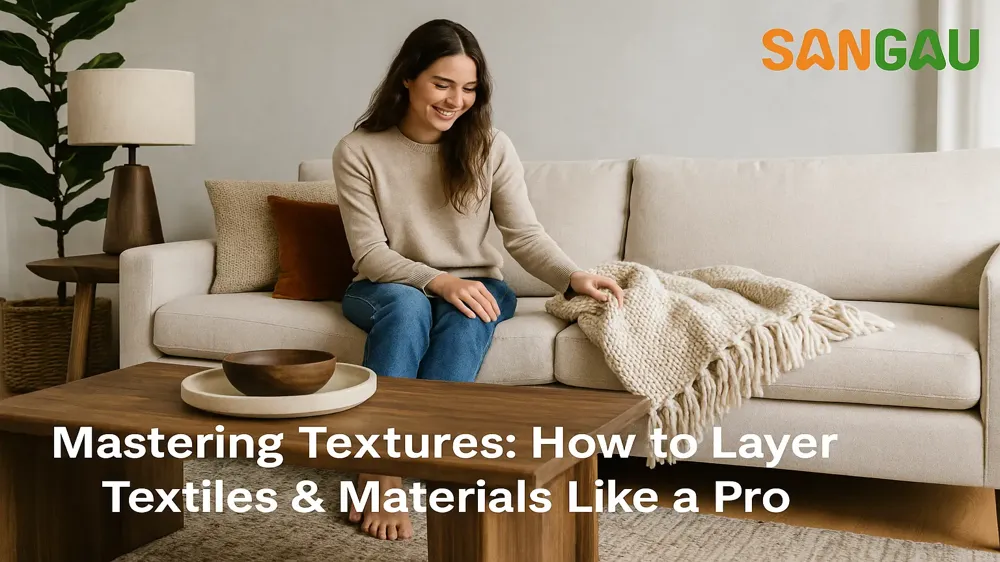
Mastering Textures: How to Layer Textiles & Materials Like a Pro
Welcome back to our channel! Today, we're exploring the art of decorating with textures—an essential technique for adding depth, warmth, and character to any space. Whether it’s the sleek sheen of metal, the cosy embrace of wool, or the raw appeal of wood, layering different materials can take your interiors from flat to fabulous. In this article, we’ll show you how to expertly mix and match textiles and materials to create a rich, inviting atmosphere. Let’s dive in!
1. Mixing Materials: The Key to Depth and Dimension
One of the simplest ways to create visual depth is by combining contrasting materials. Pairing leather with wood, metal with glass, or wool with cotton introduces variety and prevents a space from feeling monotonous. For instance, a leather sofa next to a wooden coffee table and metal-framed chairs makes the space feel layered and dynamic. Don't be afraid to mix rustic and contemporary elements—combining a rough wooden bench with a polished metal vase creates a striking contrast that enhances each piece’s uniqueness.
2. Textiles for Warmth: Elevating Comfort with Throws & Rugs
Textiles play a crucial role in making a space feel cosy and inviting. Throws, rugs, and cushions not only add texture but also provide an effortless way to introduce softness and warmth. A plush rug beneath your feet or a chunky knit throw draped over the sofa adds layers of comfort. Experiment with different materials—cotton, wool, velvet—to create a tactile experience that feels as good as it looks. Keep a cohesive colour palette, but mix textures to add depth and interest.
3. Contrasting Textures: Playing with Smooth and Rough Surfaces
Mixing textures is a simple yet effective way to add intrigue to any space. Imagine a sleek, polished sofa complemented by a rough woven rug, or a smooth glass table resting atop a thick woolen carpet. This contrast is particularly useful in minimalist interiors where colours are subtle. A monochrome space can feel lively and engaging simply by introducing different textures—think linen curtains against a concrete wall or a smooth ceramic vase atop a distressed wooden table.
4. Using Texture to Highlight Key Features
Textures can be used strategically to draw attention to focal points within a room. A feature wall clad in exposed brick or textured wallpaper immediately grabs the eye, adding a distinct character to the space. Use textures to define different areas—such as a cosy reading nook with a plush armchair and a woven throw, or a dining area with a rustic wooden table paired with jute placemats. This layering technique ensures a stylish yet functional interior.
5. Layering Rugs: Adding Depth from the Floor Up
Layering rugs is a clever way to introduce warmth and character, particularly in larger spaces. Start with a neutral base rug and place a smaller, textured one on top for added dimension. Mix different materials for contrast—such as a woven jute rug beneath a high-pile shaggy rug—to enhance the tactile experience. This approach is an easy way to refresh a space without needing additional furniture.
6. Small Details, Big Impact: Adding Texture Through Accessories
Texture isn’t just about large furniture pieces—small accessories can make a huge difference. Decorative items like woven baskets, ceramic vases, linen lampshades, or metallic trays bring subtle yet effective texture to a room. Try mixing glossy and matte finishes—such as smooth ceramic beside rustic terracotta—to add depth without clutter. These small touches complete the look while maintaining harmony in the space.
7. Textured Walls: Beyond a Simple Coat of Paint
Walls are often overlooked when layering textures, but they offer a great opportunity to enhance depth. Instead of relying solely on paint, consider textured wallpapers, wooden panels, or exposed brick to add a unique element. A textured feature wall, whether behind the bed or in the living room, creates instant visual interest while eliminating the need for excess décor. It’s a simple yet highly effective way to introduce texture to your interiors.
8. Balancing Hard and Soft Elements for a Harmonious Feel
A well-designed room strikes a balance between hard and soft textures. Hard surfaces like wood, glass, and metal add structure, while soft materials like fabric, wool, and velvet bring warmth and comfort. For example, pairing a wooden dining table with upholstered chairs creates an inviting yet sophisticated setting. Similarly, a plush rug beneath a sleek coffee table ensures the space feels balanced and comfortable.
9. Blending Colour and Texture for a Cohesive Look
Combining colour with texture is an easy way to add depth to a space. Start with a neutral base, then introduce textures within the same palette—such as a cream linen sofa, a beige wool throw, and a textured cotton cushion. For added dimension, introduce subtle colour pops—like a terracotta pillow or a velvet teal chair—to break the monotony. This technique keeps the space visually engaging without overwhelming the design.
10. Defining Spaces in Open-Plan Layouts with Texture
In open-concept homes, textures can help define different zones without using physical barriers. A textured rug can mark a seating area, while a woven wall hanging can highlight a dining space. This is particularly useful in studio apartments or large, open rooms where creating distinct functional areas is necessary. Using texture to delineate spaces keeps the layout open and airy while maintaining a sense of organisation and flow.
Transform Your Space with SANGAU’s Expert Design
At SANGAU, we understand the impact of textures in interior design. Whether you’re looking to create a warm, inviting home or a sleek, contemporary workspace, our expertise in layering textiles and materials can bring your vision to life.
Ready to transform your space? Contact us today for a consultation and let SANGAU help you create the perfect textured environment that reflects your style and needs.
#SANGAU #InteriorDesign #TextureTips #HomeDecor #DesignInspiration