


Pet-Safe Plants - Best Choices for Indoor & Outdoor Gardens
Published : 24 Jun 2025
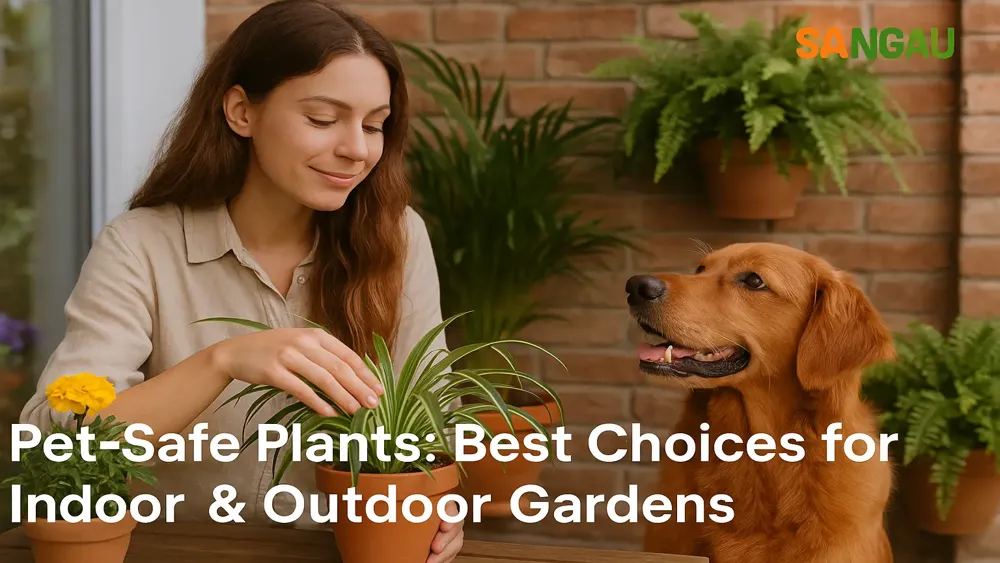
Pet-Safe Plants: Best Choices for Indoor & Outdoor Gardens
Introduction
For those of us who share our homes with pets, their safety is paramount. Many pet owners in the UK love to bring the outdoors in with houseplants, but it's crucial to remember that not all plants are safe for our furry companions. Cats, dogs, and other animals are naturally inquisitive, and some plants can be toxic if eaten. The good news is, there are numerous pet-friendly alternatives that allow you to cultivate a lush, green home without endangering your pets. By carefully selecting non-toxic plants, you can create a safe and inviting environment where both you and your pets can thrive.
Why Pet-Friendly Plants Matter
Choosing pet-friendly plants is essential for every pet owner. Dogs and cats often chew on plants, whether from curiosity or instinct, which can lead to unexpected health problems. Some common plants found in British homes and gardens are highly toxic and can cause severe symptoms such as vomiting, diarrhoea, and in very serious cases, even organ failure. By choosing pet-safe plants, you eliminate the risk of accidental poisoning while still enjoying a beautiful, green home.
Best Indoor Plants Safe for Pets
If you're a fan of indoor plants, you'll be pleased to know there are many non-toxic options that add beauty to your home while ensuring your pets' safety. Spider plants are a brilliant choice as they help to purify the air and are completely safe for pets. Boston ferns, with their soft, feathery leaves, create a lush indoor environment without any health risks. The Areca palm is another excellent pet-friendly option, bringing a touch of the tropics to your home. And if you’re looking for a bit of colour, marigolds are bright and safe for both cats and dogs, making them ideal for indoor spaces.
Safe Outdoor Plants for Pet-Friendly Gardens
Pet owners wanting to beautify their outdoor gardens have a wide array of non-toxic plant choices. Sunflowers are a cheerful, pet-safe addition that brightens up any outdoor space. Lavender, known for its calming scent, is also completely safe for pets, adding a soothing touch to your garden. Petunias are another fantastic choice, offering a vibrant display of colours without posing any danger to your pets. These safe outdoor plants allow you to create a stunning, pet-friendly garden without worry.
Plants That Are Harmful to Pets
While many plants are pet-friendly, it's important to be aware that some should be strictly avoided. Lilies are particularly dangerous for cats; even small amounts can lead to kidney failure. Philodendrons and pothos, common houseplants in the UK, contain toxic compounds that can cause severe irritation if chewed by pets. Aloe vera, while known for its healing properties for humans, is harmful to pets and can cause digestive issues. By avoiding these toxic plants, you can prevent potential health risks for your pets.
Tips for a Pet-Friendly Garden
Creating a pet-friendly garden involves more than simply choosing safe plants. To prevent pets from nibbling on plants, consider placing them in elevated planters or using hanging baskets. If you have outdoor gardens, fencing off certain areas or using garden enclosures can help keep pets away from plants they shouldn’t be near. Additionally, using natural deterrents like citrus peels or pet-safe sprays can discourage pets from chewing on your greenery, while maintaining a healthy, plant-filled environment.
Raised Beds & Containers: A Practical Solution
One of the best ways to protect your plants from curious pets is by using raised beds or containers. Raised garden beds prevent pets from digging up soil or damaging delicate plants, making them a great solution for outdoor gardens. Containers are also an excellent option, both indoors and outdoors, as they allow for better placement and pet-proofing. When using pots, choose sturdy, heavy options that won’t easily tip over if a pet brushes against them.
Designing a Pet-Safe Indoor Garden
For those who love indoor greenery, setting up a pet-safe garden requires some planning. Position plants in areas that pets cannot easily reach, such as high shelves or hanging planters. Choose durable, non-toxic plants that won’t be easily damaged if pets accidentally brush against them. If your pets tend to chew on plants, consider offering them pet-safe alternatives like cat grass, which can satisfy their urge to nibble while keeping other plants safe.
Replacing Toxic Plants with Safe Alternatives
If you already have toxic plants in your home or garden, replacing them with safer alternatives is a smart move. Instead of lilies, opt for vibrant snapdragons or begonias, which are completely safe for pets. Instead of philodendrons, spider plants or parlor palms make excellent substitutes. If you love aloe vera for its skincare benefits, consider growing a bamboo palm, which offers similar aesthetic appeal without the risks.
Training Pets to Respect Plants
Training your pets to avoid plants is another effective way to ensure their safety. Dogs can be trained using positive reinforcement – rewarding them when they stay away from plants. For cats, providing an alternative like cat grass can help satisfy their natural chewing instinct, reducing the likelihood that they will target other plants. Additionally, using pet-safe deterrents like citrus-scented sprays can discourage pets from getting too close to certain areas.
Ongoing Care & Monitoring
Once you’ve created a pet-friendly garden, regular monitoring is essential. Keep a close eye on your pets to ensure they aren’t nibbling on plants they shouldn’t be. If you notice any chewed leaves or signs of plant distress, adjust your setup accordingly. Similarly, ensure that your plants remain healthy and free from pests, as unhealthy plants may attract more attention from pets. Regular watering, pruning, and checking for signs of decay will keep your plants thriving while maintaining a safe space for your pets.
Final Thoughts & Bonus Tip
Always research new plants thoroughly before bringing them into your home or garden. Some plants may appear harmless but can be toxic to pets. If you're unsure about a plant's safety, consult a pet safety guide or check with a vet. By taking the time to choose the right plants, you can enjoy a beautiful, pet-safe environment that benefits both you and your furry friends.
Hashtags:
#PetSafePlants #PetFriendlyGardens #IndoorPlants #OutdoorGardens #SANGAU