


Creating Safe & Accessible Rental Homes for Tenants with Disabilities in Bengaluru.
Published : 19 Dec 2025
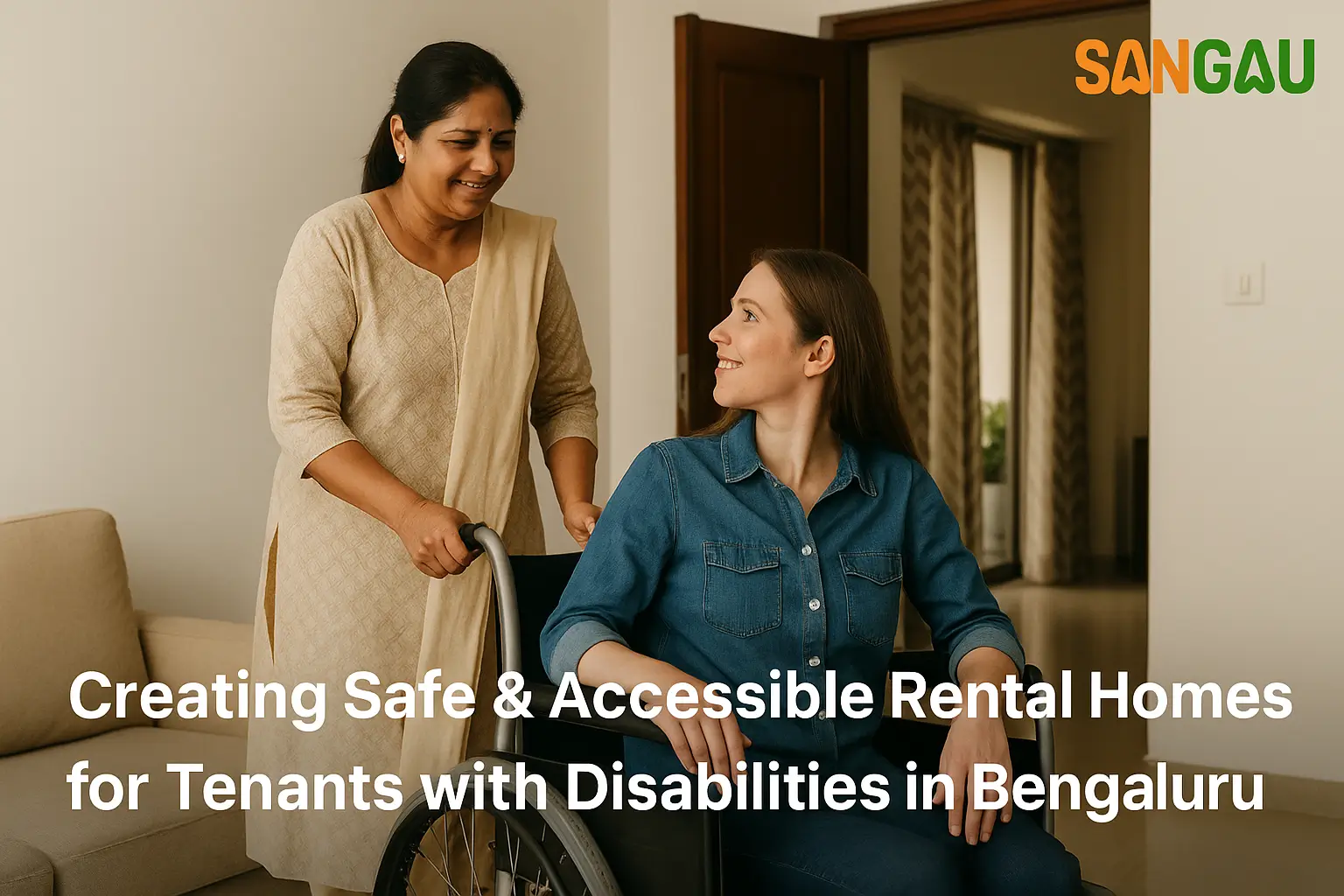
Creating Safe & Accessible Rental Homes for Tenants with Disabilities in Bengaluru
Introduction
Building rental properties that are safe and accessible for everyone goes beyond merely meeting legal requirements — it is a statement of inclusivity, professionalism, and care. For landlords and property managers in India, especially NRIs managing properties remotely, accessibility can often be overlooked unless experienced firsthand. However, with India’s population ageing and increasing awareness of disability rights, preparing rental homes to accommodate tenants with disabilities is no longer optional — it’s essential for long-term tenant satisfaction and responsible property management.
1. Know Your Legal and Ethical Responsibilities
The first step is understanding the laws that govern accessibility. The Rights of Persons with Disabilities Act, 2016 mandates barrier-free access in public spaces and encourages accessible housing in residential complexes. While individual homes may not always fall under strict legal control, gated communities and housing societies are increasingly adopting these standards. Beyond the legal framework, there is also an ethical responsibility to ensure that all tenants, regardless of ability, can live with dignity and equality.
2. Ensure Accessible Entry from the Main Gate Onwards
Accessibility begins before a tenant even steps inside the home. Uneven paving, narrow gates, and stairs without ramps create barriers. A gently sloped, non-slip ramp with sturdy handrails at the entrance can be a simple yet powerful improvement. Wider gates, smooth pathways, and obstruction-free driveways ensure ease of movement. For apartment buildings, reception areas, intercom systems, and security desks should be positioned at heights accessible to wheelchair users.
3. Adapt Doorways, Corridors, and Thresholds for Mobility
Inside the home, accessibility must be integrated into the design flow. Doorways should be at least 36 inches wide to comfortably accommodate wheelchairs, and uncluttered corridors allow for smooth navigation. Raised thresholds designed to prevent water entry can become tripping hazards — replacing them with flush or gently sloped alternatives ensures safety. For NRIs managing property from abroad, partnering with a professional property management service ensures these adjustments are done correctly.
4. Upgrade Bathrooms for Safety and Independence
Bathrooms can be high-risk areas for people with disabilities. Simple modifications such as non-slip flooring, strategically placed grab bars, and lever-style taps can significantly reduce accidents. Installing wall-mounted commodes, wheelchair-accessible basins, and hand-held showers makes daily routines easier and safer. Even in compact Indian bathrooms, small changes can make a big difference in comfort and independence.
5. Select Accessible Fixtures and Smart Controls
Small details can significantly impact usability. Lever handles instead of round doorknobs make entry easier for people with limited grip strength. Switches, sockets, and intercom panels should be positioned at accessible heights for convenience. Motion-sensor lighting in pathways and common areas benefits both tenants with disabilities and overall energy efficiency. For NRIs, smart home systems that allow remote control of lighting, temperature, and security provide tenants with greater independence while allowing landlords to have better oversight.
6. Add Clear, Visual, and Tactile Signage
In shared spaces like apartment buildings, signage is crucial for navigation. Use large, high-contrast fonts for all directional signs, and include tactile elements such as Braille where possible. Clearly mark elevators, stairwells, exits, and unit numbers. In lobbies, floor directories and illuminated lift indicators help tenants find their way easily, ensuring an inclusive environment for all residents.
7. Keep Elevators Functional and Accessible at All Times
For tenants with mobility challenges, a non-working lift is more than an inconvenience — it can be isolating. Elevators should be equipped with handrails, voice announcements, and low-positioned control panels. Regular servicing is essential, and it’s crucial to ensure backup power during outages, particularly in monsoon season when power cuts are common.
8. Make Emergency Preparedness Inclusive
Safety in emergencies must be inclusive. Fire alarms should have both audible and visual alerts. Emergency exits must be free of obstructions, step-free, and unlocked at all times. Installing emergency call buttons or intercoms in bathrooms and bedrooms adds an extra layer of safety. These measures can make a critical difference in emergency situations.
9. Promote an Inclusive Culture Among Residents and Staff
Accessibility goes beyond infrastructure. Without an inclusive attitude among staff and residents, physical changes may lose their impact. Training maintenance staff, security personnel, and society managers in disability awareness helps create a welcoming environment. Encouraging residents to be supportive, through community guidelines or awareness sessions, fosters a culture where every tenant feels respected and valued.
10. Review and Improve Accessibility Continuously
Accessibility is not a one-time upgrade; as tenants’ needs evolve, so should the property. Conduct regular inspections — ideally twice a year — using an accessibility checklist. Seek tenant feedback to identify overlooked issues. Staying updated on new accessibility technologies and evolving legal standards ensures your property remains safe, compliant, and attractive to a wider tenant base.
Bonus Insight: Use Accessibility as a Unique Selling Point
Many landlords fail to highlight their property’s accessible features, missing a valuable opportunity. Marketing your rental as disability-friendly attracts a broader audience, including elderly tenants, those recovering from injuries, and families with differently-abled members. These tenants often stay longer, take better care of the property, and appreciate the landlord’s commitment to inclusivity.
Conclusion & Call-to-Action
Making a rental home safe and accessible for tenants with disabilities is not just good practice — it is good business and a meaningful contribution to society. Each improvement, from ramps at the entrance to emergency preparedness, creates a living environment that respects dignity, safety, and independence.
If you’ve found this article insightful, consider sharing it with other property owners and managers. Let’s work together to make Bengaluru’s rental housing more inclusive, one home at a time.
#AccessibilityMatters #DisabilityInclusion #PropertyManagement #SANGAU #InclusiveHousing