


How to Conduct Routine Safety Inspections to Protect Your Bengaluru Property.
Published : 23 Dec 2025
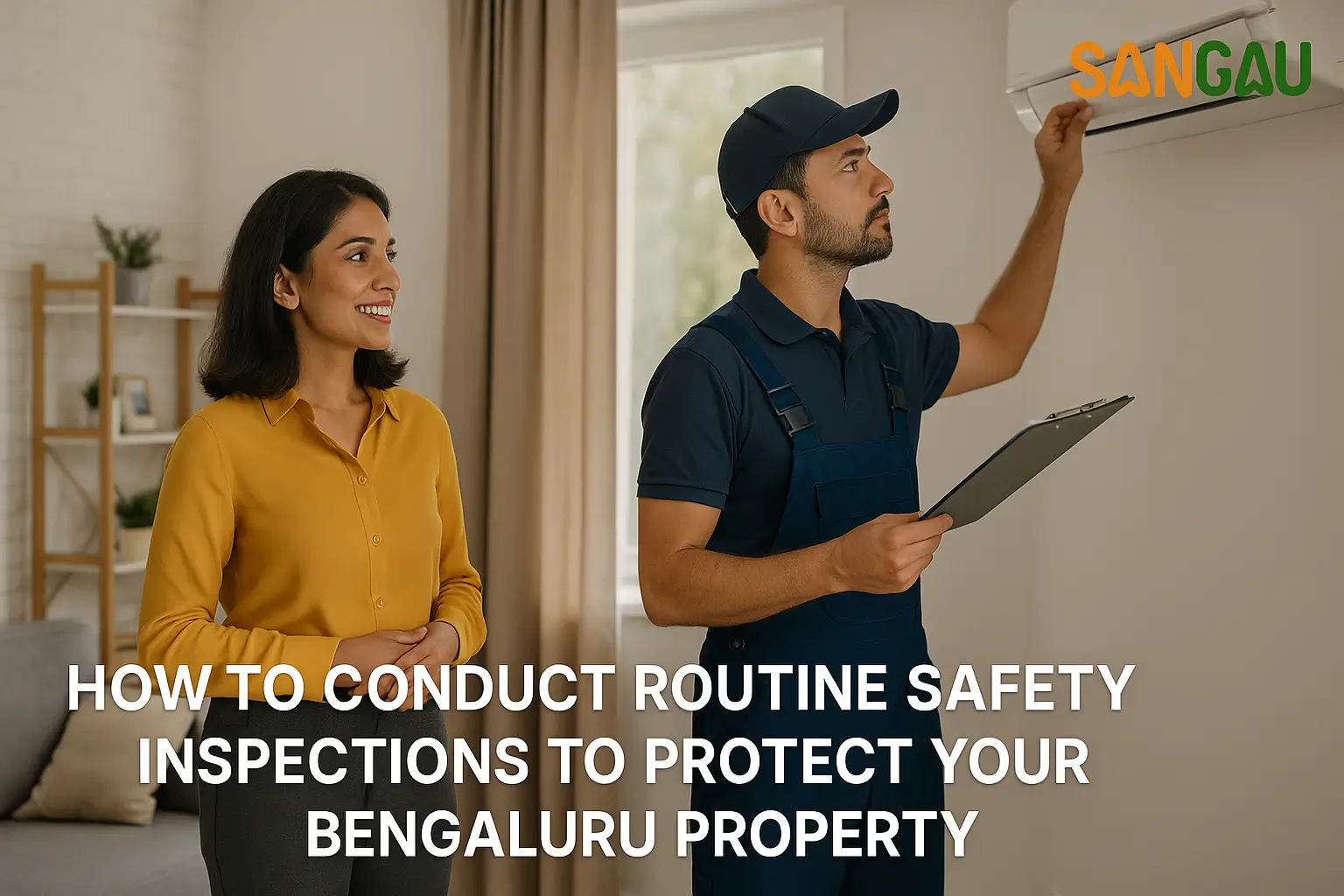
How to Conduct Routine Safety Inspections to Protect Your Bengaluru Property
Managing rental properties in Bengaluru—whether it’s a single flat, a villa, or a large apartment complex—requires a sharp focus on safety. While many landlords prioritise tenant management and rental income, the crucial task of conducting routine safety inspections is often overlooked. These inspections are vital not just for preventing accidents but also for reducing liability risks and preserving your property’s long-term value.
This guide will walk you through how to organise and carry out comprehensive, professional, and timely safety inspections for your Bengaluru property.
1. Know the Legal Safety Inspection Requirements
Before initiating any inspection process, it's important to understand the legal requirements for safety inspections in Bengaluru and wider India. Different types of properties—residential or commercial—have specific regulations that must be adhered to. These include electrical safety audits, fire safety standards, structural assessments, and elevator certifications for multi-storey buildings. Commercial buildings often need annual fire safety audits, while residential complexes require regular checks for electrical systems and structural integrity. Awareness of these legal requirements ensures your inspections focus on critical areas and help you stay compliant with municipal and state laws.
2. Develop a Comprehensive Inspection Schedule
To ensure consistency, create a detailed master inspection calendar tailored to your property’s needs. This calendar should outline monthly, quarterly, biannual, and annual inspections for essential systems such as electrical wiring, plumbing, fire extinguishers, gas lines, CCTV systems, roofing, boundary walls, pest control, and structural soundness. Incorporating seasonal considerations such as monsoon readiness and fire extinguisher servicing ensures thorough inspections. Sharing this calendar with your property manager or maintenance staff ensures inspections become a recurring and managed activity rather than an afterthought.
3. Prepare an In-Depth Inspection Checklist for Each Area
An inspection schedule alone isn’t enough; you need a detailed checklist for every critical area of your property. This checklist should cover common areas, electrical panels, kitchens, bathrooms, staircases, balconies, doors, windows, gates, parking lots, roofs, and outdoor lighting. Pay particular attention to safety devices like smoke detectors, alarm systems, and intercoms. Specify tasks for each area such as testing residual current devices (RCDs), inspecting balcony railings for corrosion, and ensuring staircases have anti-slip features. This structured approach ensures no safety aspect is overlooked.
4. Hire a Skilled Maintenance Team or Professional Vendor
Safety inspections require expertise. Assigning this task to untrained staff or performing casual checks is not advisable. Instead, engage a reliable maintenance team or a reputable property management firm with proven experience in safety audits. Licensed electricians, certified plumbers, and authorised fire safety contractors should be part of your team. For property owners residing abroad, partnering with agencies that provide digital reports and video documentation offers transparency and control, even from a distance.
5. Digitally Record Every Inspection for Full Accountability
Maintain a digital record of all inspections to ensure clear accountability and legal protection. Use property management apps, spreadsheets, or specialised software to log inspection dates, details of what was checked, the technician responsible, and any issues found. Supplement reports with photographs, videos, and notes for clarity. This digital documentation can serve as proof of your due diligence if tenants raise concerns or safety-related disputes arise.
6. Educate Tenants to Spot and Report Safety Concerns
Tenants can play a vital role in maintaining safety by identifying early warning signs. Upon move-in, brief tenants on common safety issues such as flickering switches, unusual smells, leaks, wall cracks, or faulty locks. Provide them with a simple guide or a dedicated communication channel for quick reporting. Encouraging tenants to report problems promptly helps you address issues before they escalate, ensuring a safer living environment.
7. Focus More Frequent Checks on High-Risk Zones
Some areas of a property carry higher safety risks than others. Kitchens, electrical panels, and gas connections require more frequent inspections than low-risk zones like storerooms or balconies. For example, properties with LPG cylinders should have gas leak inspections more often, and older buildings with outdated wiring need quarterly electrical audits. Tailoring the frequency of inspections according to risk level, property age, and past issues will optimise safety management.
8. Bring in Independent Safety Auditors for Periodic Reviews
While your internal team can handle routine inspections, independent safety auditors offer an unbiased, professional review once a year. These auditors benchmark your property against best practices and often highlight risks your team may miss. In Bengaluru, you can hire certified agencies specialising in electrical, fire safety, and structural audits to gain valuable insights at reasonable costs.
9. Ensure Inspections Meet Insurance and Municipal Standards
Your insurance policy may require proof of ongoing safety maintenance, such as functional fire extinguishers and structural stability, to remain valid. Similarly, municipal authorities may request safety certificates during inspections for lifts, electrical systems, or occupancy permits. Regular safety inspections aligned with these requirements help prevent claim denials and ensure smooth regulatory compliance.
10. Review and Upgrade Your Safety Inspection Procedures Annually
As building materials improve, regulations change, and tenant expectations rise, it’s essential to revisit your inspection procedures annually. Analyse inspection reports to identify successes and areas for improvement, and adjust your checklist, vendors, and methods accordingly. Incorporate new concerns like recurring dampness or lighting complaints into your safety routine to maintain high standards.
Bonus Tip:Combine Safety Checks with Other Preventive Maintenance Tasks
Streamline your property upkeep by synchronising safety inspections with other preventive maintenance activities. For example, conduct electrical inspections while repainting interiors or schedule gas line checks during pest control visits. This integrated approach minimises tenant disruptions, improves operational efficiency, and reduces maintenance costs.
Safety inspections are not just routine tasks—they represent your commitment to tenant well-being and property longevity. Whether managing a single Bengaluru flat or multiple buildings across India, consistent, well-documented, professional safety checks protect your investment, boost tenant trust, and keep you compliant with the law.
If you're ready to improve your property management practices and ensure a safer environment for your tenants, start implementing these safety inspection strategies today. Need help with property management? Reach out to us at #SANGAU for expert advice and services!
#PropertyManagement #SafetyInspections #BengaluruRentals #RealEstateTips #SANGAU