


Ensure Legal Compliance with Smart Property Safety Documentation.
Published : 18 Dec 2025
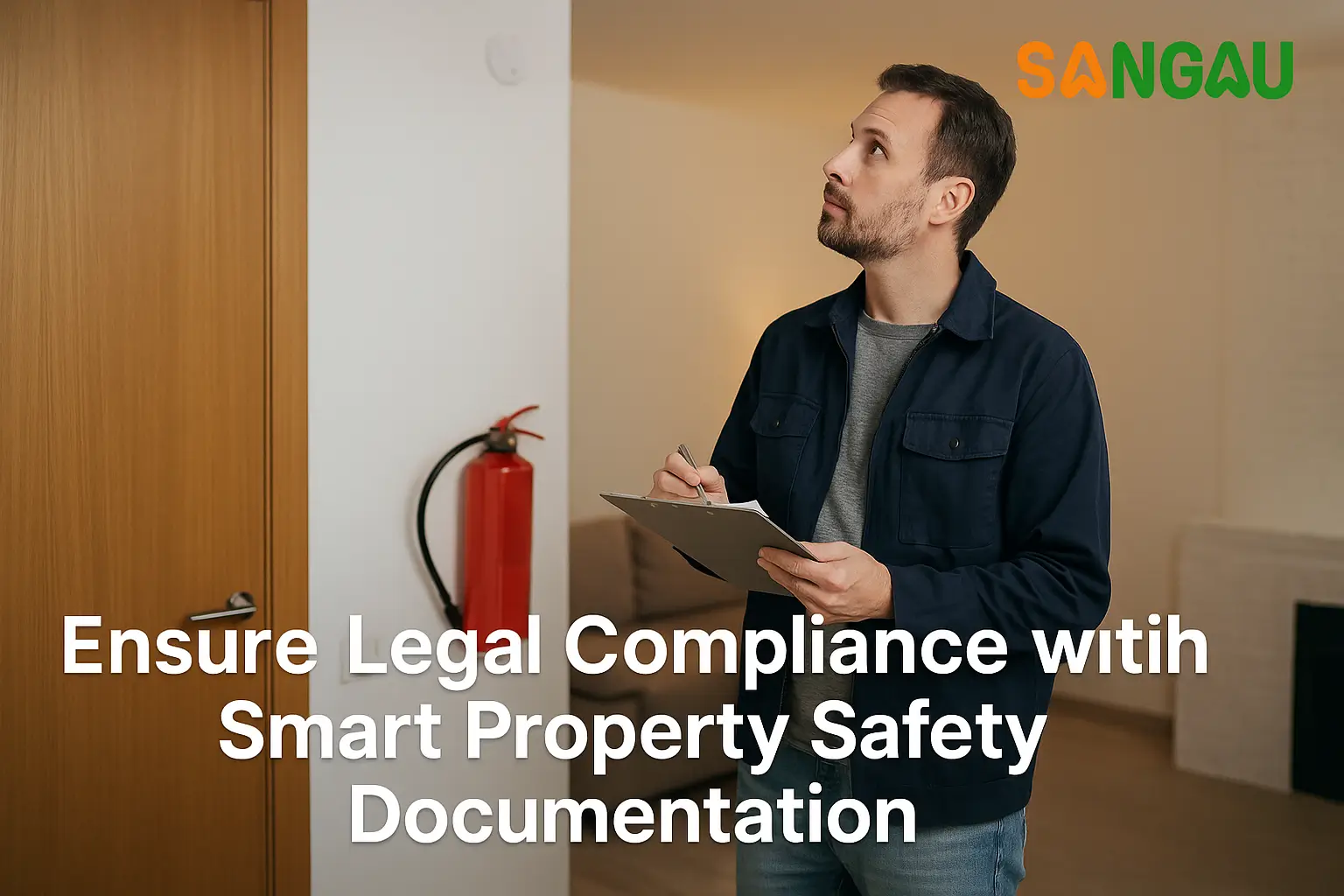
Ensure Legal Compliance with Smart Property Safety Documentation
In today’s competitive property rental market, legal safety compliance isn’t just about ticking regulatory boxes—it’s about protecting tenants, safeguarding investments, and upholding your reputation as a responsible landlord or property manager. From fire safety to structural integrity, every compliance effort must be accurately documented to hold legal value.
In this article, we’ll guide you through the essentials of creating effective property safety documentation, ensuring your compliance efforts are well-organised, legally sound, and ready for audit—especially in a fast-evolving city like Bengaluru.
1. Understand Safety Regulations for Your Property Type
Before you start documenting anything, make sure you understand the specific legal safety standards applicable to your property. Regulations vary between residential apartments, commercial premises, and independent villas. Familiarise yourself with fire and electrical safety norms, building codes, water quality benchmarks, and gas line certifications. Staying informed is the first step to creating documentation that stands up to scrutiny.
2. Centralise All Safety Documents
Maintain a centralised safety compliance log—either digitally or in a well-organised binder. Log every inspection, service visit, repair, and certificate. Include essential details like dates, service providers, findings, and follow-up actions. A single source of truth makes your documentation easily accessible for audits or legal reference.
3. Meticulously Record Fire Safety Inspections
Fire safety is mandatory. Keep detailed logs of installed smoke detectors, fire extinguishers, sprinkler systems, and emergency lighting. Note locations, installation and service dates, and technician credentials. Retain all receipts and inspection reports, especially as Bengaluru mandates regular fire safety checks.
4. Maintain Records of Electrical and Gas Safety
These systems are critical and potentially hazardous. Log inspections, repairs, and upgrades. Include the technician’s licence details and inspection outcomes. Gas safety certificates should be stored as part of your compliance folder—they’re essential for both legal and insurance purposes.
5. Document Sanitation and Pest Control Measures
Cleanliness is compliance. Log scheduled pest control services and sanitation routines. Record the type of chemicals used, dates, targeted areas, and follow-up actions. Also, document hygiene-related tenant complaints and your responses—it shows accountability and builds trust.
6. Track Emergency Preparedness Plans
For buildings with shared spaces, keep evidence of fire drills, evacuation maps, safety signage, and tenant training sessions. Note attendance and communication sent to residents. This proactive planning supports both legal protection and tenant reassurance.
7. Store Structural and Environmental Safety Certificates
Post-renovation or after any structural change, obtain and file relevant safety certificates—such as occupancy certificates, mould/asbestos clearance, and structural audits. Note why and when they were issued, and by whom. These documents reinforce your property’s legal readiness.
8. Log Tenant Safety Communications
Maintain a record of all safety-related tenant interactions—like complaints about faulty locks or structural issues. Include the date, issue description, resolution timeline, and any communication sent. This log can protect you in case of legal disputes.
9. Audit Your Safety Records Regularly
Don’t wait for a regulatory check to find out something’s missing. Conduct safety documentation audits every 6 to 12 months. Use a checklist to identify expired certificates or overlooked inspections and update them promptly.
10. Use Technology for Smarter Compliance
Modern property management tools help you organise safety records efficiently. Cloud-based systems allow you to store, label, and retrieve documents with ease. Set automatic reminders for upcoming inspections and keep secure digital backups.
Bonus Tip: Prepare an Annual Safety Compliance Report
At the end of each year, compile a summary of all compliance activities—inspections done, repairs made, certificates renewed, and complaints resolved. This report is a great reference for stakeholders and also helps in setting goals for the following year.
Partner with SANGAU for Complete Compliance Management
At SANGAU, we know that safety compliance is more than just maintenance. That’s why we offer a full suite of property compliance solutions in Bengaluru—from organising inspection schedules and certificates to preparing comprehensive compliance reports.
Whether you own a single flat or an entire apartment complex, SANGAU can help you remain audit-ready, legally protected, and tenant-approved.
If you found this article helpful, we invite you to follow us for more insights on smart property management in Bengaluru. Don’t leave compliance to chance—let SANGAU help you document it right.
#SANGAU #PropertyCompliance #RentalSafety #BengaluruRealEstate #LandlordTips