


Smart Ways to Maintain and Organise Property Inspection Records.
Published : 17 Dec 2025
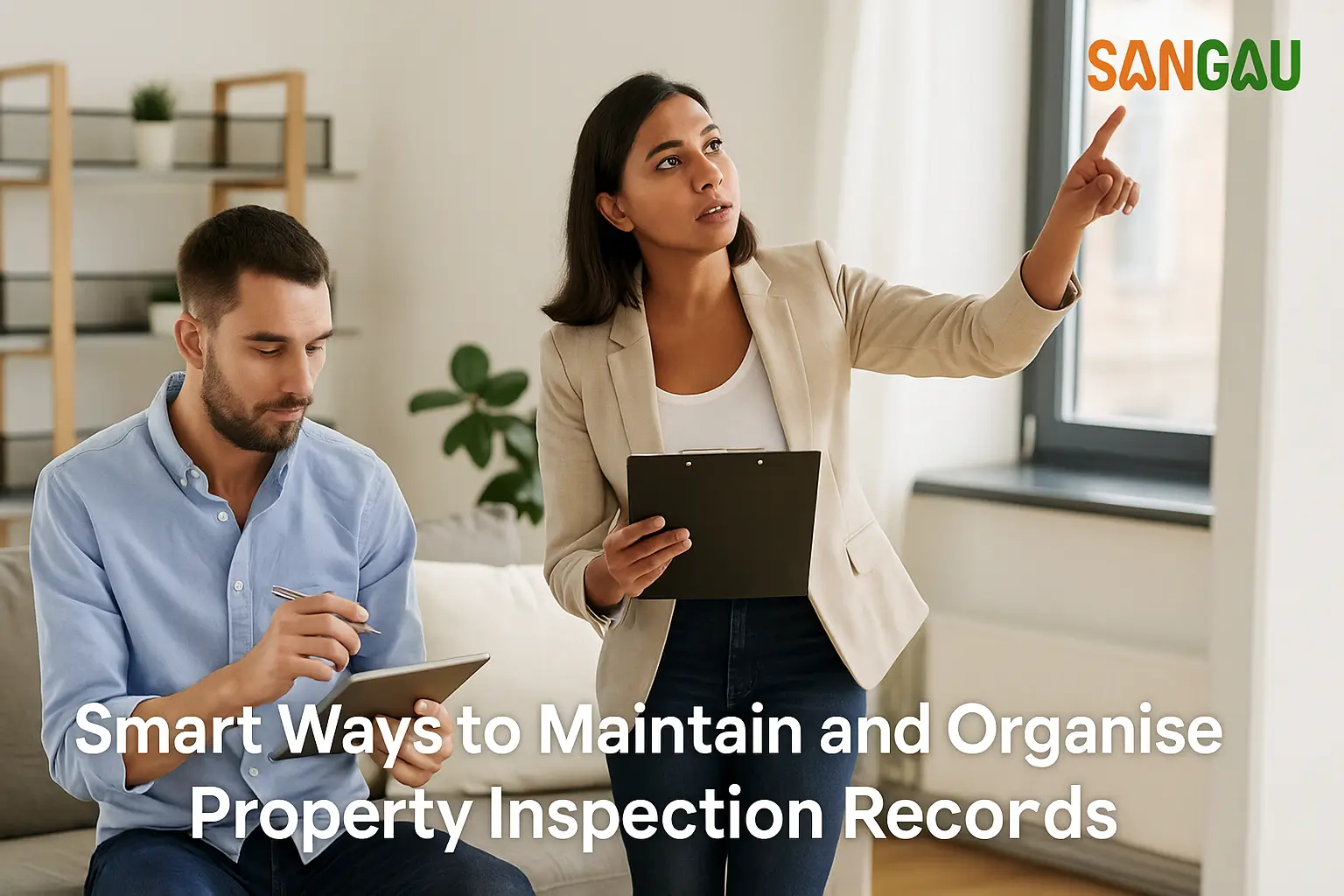
Smart Ways to Maintain and Organise Property Inspection Records
Hello landlords and property managers! Are you confident that your inspection record-keeping system can withstand legal scrutiny, tenant disputes, or sudden maintenance challenges? Whether you manage a single rental or a portfolio of properties, maintaining well-documented and organised inspection records is key to protecting your rental investment.
At SANGAU, we understand that property inspections are more than a quick walkthrough—they form the foundation of responsible property management. This article guides you through best practices to record, store, and integrate property inspection data efficiently and professionally. Let’s dive into how you can enhance your inspection records management using smart, systematic approaches.
1. Identify and Categorise Property Inspections
First, it’s essential to know which types of inspections need to be documented. Typically, these include:
- Move-in inspections
- Periodic or routine inspections
- Drive-by or exterior checks
- Move-out inspections
Each serves a specific purpose throughout the rental lifecycle and should be categorised separately. By creating a structured framework for each inspection type, you eliminate ambiguity and maintain a clear timeline of your property’s condition. This classification simplifies report retrieval and supports transparent communication with tenants.
2. Adopt a Standardised Inspection Checklist Format
A consistent checklist ensures every inspection captures all necessary details. Use the same template for similar property types, tailoring it slightly depending on whether it’s a standalone house or a multi-unit apartment. Your checklist should cover structural elements, fittings, appliances, flooring, and safety systems.
Standardised formatting not only saves time but also makes records easy to compare over time. This provides a factual basis for addressing maintenance needs, wear and tear, or tenant-related damage.
3. Document with Clear and Detailed Notes
Avoid vague terms like “satisfactory” or “OK,” which won’t hold up in deposit disputes or legal cases. Instead, your inspection notes should be descriptive and objective.
For example, rather than “walls are damaged,” write: “Two holes in bedroom wall near light switch, approximately 2 cm in diameter.”
The more accurate your observations, the more reliable your records become. This also promotes fairness by giving tenants a clear, detailed understanding of the property’s condition.
4. Supplement Notes with Time-Stamped Visual Evidence
Photographs and videos are crucial for reinforcing your inspection findings. Make sure all images are date-stamped, and if possible, time-stamped. Capture wide shots of entire rooms as well as close-ups of specific damage.
Most smartphones now support metadata-enabled images, but dedicated inspection tools can provide extra precision. These visuals help resolve conflicts, confirm timelines, and offer indisputable evidence when required.
5. Organise Digital Records by Property and Timeline
Moving to a digital filing system is no longer optional—it’s a necessity for efficient property management. Create folders for each property, with subfolders for different inspection types.
Use consistent file naming conventions such as:
Flat12B_RoutineInspection_2025-01-10
This practice ensures easy retrieval. Cloud storage or property management software provides secure, remote access, data backup, version control, and streamlined sharing. Digital records reduce clutter while improving accessibility and longevity.
6. Use Property Management Software and Inspection Apps
Digital tools are revolutionising property inspections. Apps like zInspector, RentCheck, and Buildium offer real-time checklist management, embedded photo documentation, and digital tenant signatures.
These platforms simplify reporting, reduce human error, and present your documentation professionally. Integrated systems link inspections to maintenance, finance, and communication workflows, creating a unified property management experience.
7. Secure Tenant Acknowledgement Where Required
Especially for move-in and move-out inspections, having the tenant present and signing off on findings is advisable. Many property managers now use e-signature tools, making this step seamless.
If the tenant is unavailable, send the inspection report via email immediately and request written acknowledgement. This transparency safeguards you from deposit disputes and demonstrates due diligence.
8. Schedule Periodic Inspections and Maintain a Calendar Log
Don’t restrict inspections to move-in and move-out only. Schedule routine checks—typically every six months—to monitor tenant compliance and catch potential issues early.
Maintain a central calendar logging each inspection’s date, type, findings, and follow-up actions. This supports better upkeep and highlights your proactive property management approach.
9. Retain Records Beyond the Lease Period
Keep inspection records for at least the full lease term plus one to three years, depending on local legal requirements. Archived documents serve as important reference points for future claims, maintenance reviews, or tax audits.
Cloud platforms are ideal for long-term storage, offering reliable archiving without the physical burden of paper files.
10. Analyse Records to Enhance Maintenance and Asset Value
Inspection reports are more than paperwork—they’re a roadmap for improving your property. Reviewing historical data helps identify patterns like recurring plumbing issues or appliance faults.
Use these insights to guide maintenance schedules, replacements, and budgeting. Addressing recurring problems early reduces long-term costs, boosts tenant satisfaction, and ultimately enhances your property’s value.
Bonus Tip: Integrate Inspection Records with Your Management System
For maximum efficiency, inspection reports should not exist in isolation. Link them with financial records, maintenance logs, and communication history.
Many property management platforms offer these integrations, allowing you to track costs against inspection findings and automate repair workflows. This unified system supports data-backed decisions across all property management aspects.
If you found this guide useful, don’t forget to like, share, and subscribe to the SANGAU channel for more practical property management tips. Whether you’re a landlord with a single flat or an investor managing multiple units, SANGAU’s expert solutions in Bengaluru can help streamline your operations and protect your investments. Get in touch with us today and experience stress-free property management done right.
#PropertyManagement #RentalPropertyTips #LandlordAdvice #PropertyInspections #SANGAU